
Menu
The WFE's capacity building series on market infrastructures
Explore upcoming workshops and applicationsOverview
As part of its mission to advance capital market development globally, the World Federation of Exchanges (WFE) has launched its Markets Educational Programme (MEP) —a dedicated initiative to support all those interested in, or working with market infrastructures.
This educational programme offers a series of virtual workshops designed to equip participants with both foundational and advanced knowledge of capital markets. The programme focuses on the principles underpinning optimal market infrastructures, including exchanges, central counterparties (CCPs), and central securities depositories (CSDs). Each workshop blends theoretical insights with practical case studies and is delivered by experts from WFE members and partners. Teaching and discussions are specifically tailored to the unique challenges, structures, and opportunities involved in developing and strengthening market infrastructures.
Who should join these workshops?
Anyone interested in market infrastructures, including practitioners, regulators, buy-side & sell-side professionals, government institutions and academics, especially those working in, or interested in learning about markets in transformation or expansion phases.
Format
The MEP is fully virtual, delivered through interactive webinars. Each webinar will run for two hours: the first hour will focus on core lecture content. After a short break, it will be followed by a second session featuring either a panel discussion or a practical case study, and concluding with a 10-minute Q&A.
Sessions will be interactive, encouraging questions and active engagement from participants. Dedicated reading materials will be provided in advance to support preparation and deepen understanding of the topics.
Each webinar is independent and can be attended individually.
To accommodate global participants, each webinar will be delivered twice: one suited for the Asia-Pacific (APAC) time zones and another for the Europe, Middle East, Africa and Americas time zones.
All webinars will be in English.
The level of the workshops is intermediate.
Registration
The programme is open to anyone with an interest in the topics covered.
WFE Members receive two free passes to each webinar in the MEP workshop series. These complimentary passes should be requested directly to the WFE by the member's WFE representative. Additional passes are subsidised for WFE members.
The registration fee per webinar is as follows:
- WFE Members: £20
- Non-Members: £100
Each webinar can be enrolled in independently.
Please note that places are limited, and applications will be reviewed on a first-come, first-served basis. Once all places have been filled, new applications will be placed on a waiting list.
To enrol, participants must click "Apply" in any of the webinars and complete an application form. To apply for more than one webinar, only one application form is needed.
Following the submission of your application, you will receive an email with login details for the WFE’s online learning platform. Please allow up to 48 hours for the email to arrive and check your spam folder.
Once you have logged into the learning platform, you’ll be able to choose which webinars you would like to attend and complete the payment process accordingly.
For further guidance in this process, see the Enrolment Guide.
If you have registered for a webinar but will no longer be able to attend, please contact us at [email protected]. Fees can only be refunded if the cancellation is received at least 48 hours before the webinar.
If you have any questions or require further assistance, please don’t hesitate to contact the WFE Education team at:
📧 [email protected]
There are no upcoming courses at the moment.

Derivatives can bring a range of benefits, including greater liquidity in traded markets. This session will explore why this is the case and what the practical applications of derivatives are, notably the difference between forwards/futures and options. It will consider the advantages for EMDE and also the necessary market foundations. We will address risk-management / risk-control requirements, including counterparty risk management and central clearing. En route, we will explore the interaction of listed (exchange traded) and over-the-counter derivatives, and questions of market organisation more generally. And we will touch on key legal and regulatory concepts, such as customer protection, together with fundamentals of how derivatives are priced and hedged.
Derivative markets
Course Focus
- Fundamentals of derivatives: definition and key characteristics
- The payout functions of linear instruments and non-linear instruments
- Present value / forward rates; historic and implied volatility;
- Mark-to-market gains and cash-settlement; delta hedging of sold options
- Collateralisation
Case Study
Derivative markets in Borsa Istanbul
Panel Discussion
Panel with representatives from exchanges across regions:
- B3 – Brasil Bolsa Balcão
- Borsa Istanbul
- National Stock Exchange of India
Learning Outcomes
- The difference between the main types of derivatives: forwards (/futures) and options; listed (exchange-traded) vs over-the-counter; physical and cash-settled
- Appreciating the origins and evolution of derivatives in the modern era and how they differ from a) securities and b) insurance
- Understanding the key principles of pricing (and hedging) derivatives
- Insight into applications and use cases (hedging, investment, market making)
- Risks and risk control, including position monitoring and counterparty risk management
- Regulation and legal underpinning of derivatives
Speakers
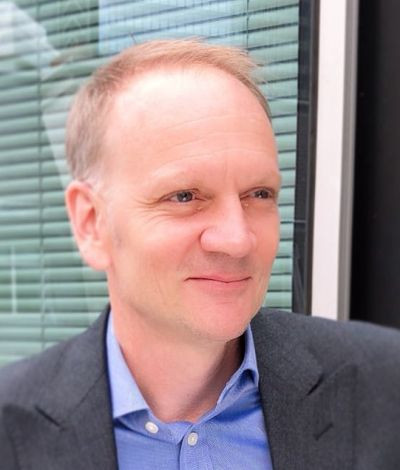 | Richard MetcalfeHead of Regulatory Affairs, WFERichard Metcalfe is Head of Regulatory Affairs at the World Federation of Exchanges (WFE). Before taking up his WFE post in March 2018, he worked on MiFID implementation at the Markets Division of BNY Mellon in London. He also has extensive experience in wholesale financial services and policy issues, with particular emphasis on derivatives and central clearing; and on asset management. In addition to working at ISDA and the IA, he has worked for SWIFT. Earlier in his career, he wrote for and edited various financial publications. He lives in London and studied languages at university. |
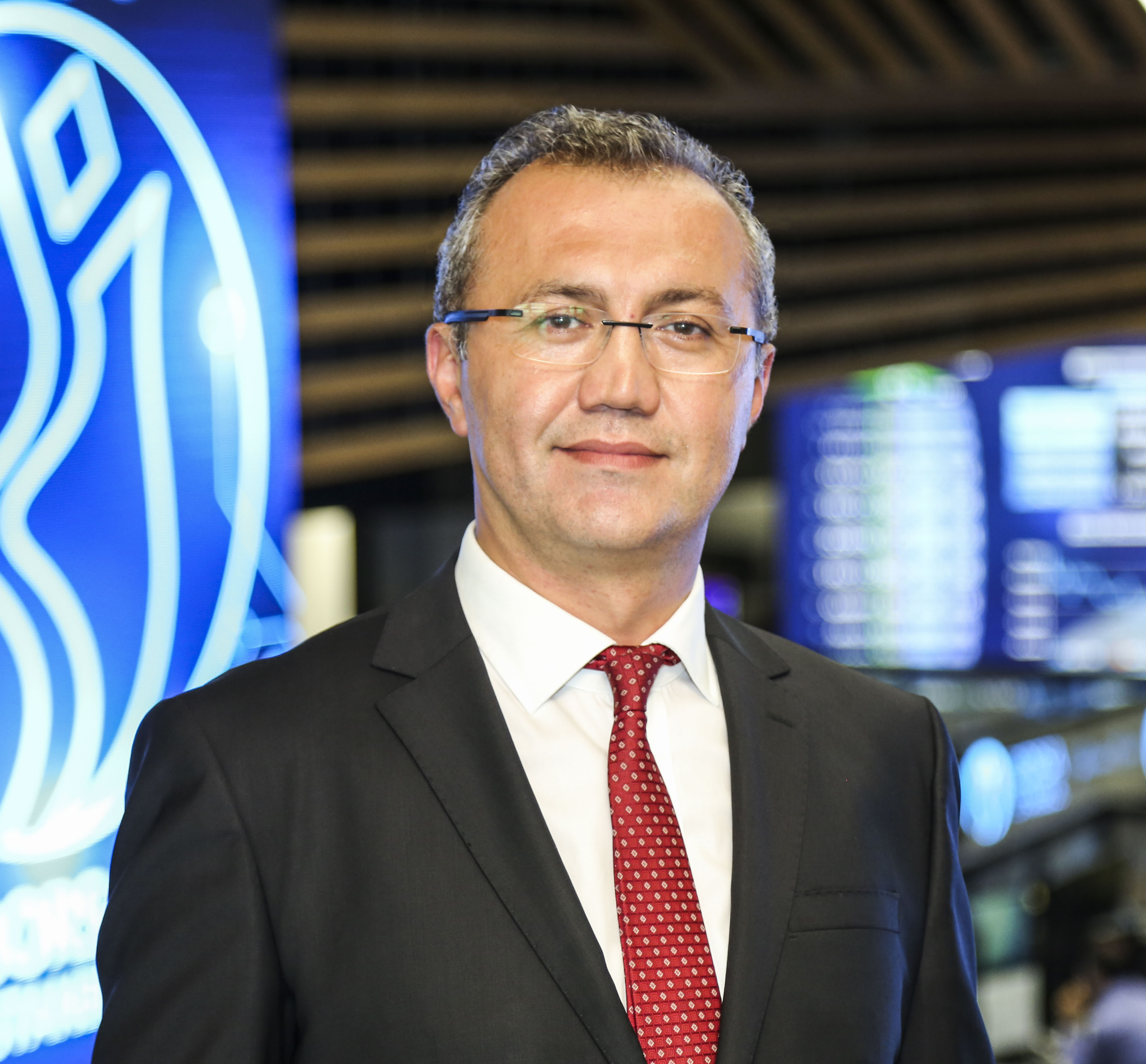 | Harun OzayDirector of Derivatives Market, Borsa IstanbulHarun Ozay graduated from Electrical and Electronics Engineering Department at Middle East Technical University in 1993. He completed Ziraat Bank Banking School in 1994 and worked for the bank for 2 years. He got his executive MBA degree from Istanbul Technical University and MSc Degree in International Securities, Investment and Banking from ICMA Centre, University of Reading, UK. He has been working for Borsa Istanbul since 1996 at various positions and departments including International Market, Fixed Income Securities Market, Product Development, Strategic Planning and Business Development. Currently, he is the Director of Borsa Istanbul Derivatives Market. |
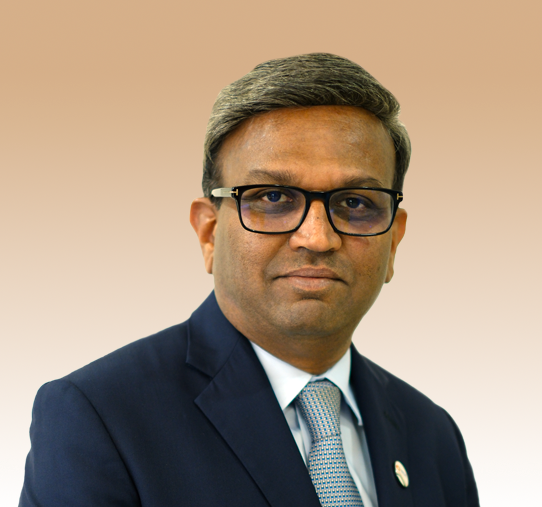 | Sriram KrishnanChief Business Development Officer, NSESriram Krishnan is the Chief Business Development Officer of the National Stock Exchange of India(NSE). A qualified Chartered Accountant and Cost Accountant, he has spent over 28 years working across Indian banking and capital markets. His career spans across transaction banking, securities services, custody, and market infrastructure.At NSE, he leads business and strategy, product development and strategic alliances. His focus is on strengthening NSE’s global positioning through collaboration and customer focused engagement with Issuers, Investors & Intermediaries as well as policymakers. He is actively involved in representing NSE in high-level policy, industry, and global engagements, contributing to thought leadership and market development initiatives. He is widely recognised for his deep understanding of India’s financial markets and market infrastructure ecosystem and was recently inducted into the Global Custodian Hall of Fame as a GC legend at the Leaders in Custody Asia Awards 2025. In addition to his executive responsibilities at NSE, Sriram serves as a Director on the boards of several key market infrastructure institutions, including National Securities Depository Limited (NSDL), India International Depository IFSC Limited, Cogencis Information Services Limited, NSE Academy Limited, NSE Investments Limited, NSE Indices Limited, NSE IFSC Limited. Prior to joining NSE in 2022, Sriram spent over two decades with HSBC, Citibank, and Deutsche Bank, most recently serving as Managing Director and Co-Head of Global Transaction Banking at Deutsche Bank India. |
 | Felipe Almeida GonçalvesHead of Crypto, Interest Rates and FX Products, B3Felipe is the head of interest rates, FX, crypto and market structure at B3 - Brasil, Bolsa, Balcão, with 15 years of experience in the financial market, having also worked with equities and commodities products. Before B3, he worked at Banco Itaú in the market risk modeling department. Graduated in Mechatronics Engineering from the University of São Paulo (POLI-USP) and Politecnico di Milano (TIME double-degree program) and CFA charterholder (Chartered Financial Analyst) since 2017. |
Derivatives can bring a range of benefits, including greater liquidity in traded markets. This session will explore why this is the case and what the practical applications of derivatives are, notably the difference between forwards/futures and options. It will consider the advantages for EMDE and also the necessary market foundations. We will address risk-management / risk-control requirements, including counterparty risk management and central clearing. En route, we will explore the interaction of listed (exchange traded) and over-the-counter derivatives, and questions of market organisation more generally. And we will touch on key legal and regulatory concepts, such as customer protection, together with fundamentals of how derivatives are priced and hedged.
Derivative markets
Course Focus
- Fundamentals of derivatives: definition and key characteristics
- The payout functions of linear instruments and non-linear instruments
- Present value / forward rates; historic and implied volatility;
- Mark-to-market gains and cash-settlement; delta hedging of sold options
- Collateralisation
Case Study
Derivative markets in Borsa Istanbul
Panel Discussion
Panel with representatives from exchanges across regions:
- B3 – Brasil Bolsa Balcão
- Borsa Istanbul
- National Stock Exchange of India
Learning Outcomes
- The difference between the main types of derivatives: forwards (/futures) and options; listed (exchange-traded) vs over-the-counter; physical and cash-settled
- Appreciating the origins and evolution of derivatives in the modern era and how they differ from a) securities and b) insurance
- Understanding the key principles of pricing (and hedging) derivatives
- Insight into applications and use cases (hedging, investment, market making)
- Risks and risk control, including position monitoring and counterparty risk management
- Regulation and legal underpinning of derivatives
Speakers
| Richard MetcalfeHead of Regulatory Affairs, WFERichard Metcalfe is Head of Regulatory Affairs at the World Federation of Exchanges (WFE). Before taking up his WFE post in March 2018, he worked on MiFID implementation at the Markets Division of BNY Mellon in London. He also has extensive experience in wholesale financial services and policy issues, with particular emphasis on derivatives and central clearing; and on asset management. In addition to working at ISDA and the IA, he has worked for SWIFT. Earlier in his career, he wrote for and edited various financial publications. He lives in London and studied languages at university. |
| Harun OzayDirector of Derivatives Market, Borsa IstanbulHarun Ozay graduated from Electrical and Electronics Engineering Department at Middle East Technical University in 1993. He completed Ziraat Bank Banking School in 1994 and worked for the bank for 2 years. He got his executive MBA degree from Istanbul Technical University and MSc Degree in International Securities, Investment and Banking from ICMA Centre, University of Reading, UK. He has been working for Borsa Istanbul since 1996 at various positions and departments including International Market, Fixed Income Securities Market, Product Development, Strategic Planning and Business Development. Currently, he is the Director of Borsa Istanbul Derivatives Market. |
| Sriram KrishnanChief Business Development Officer, NSESriram Krishnan is the Chief Business Development Officer of the National Stock Exchange of India(NSE). A qualified Chartered Accountant and Cost Accountant, he has spent over 28 years working across Indian banking and capital markets. His career spans across transaction banking, securities services, custody, and market infrastructure.At NSE, he leads business and strategy, product development and strategic alliances. His focus is on strengthening NSE’s global positioning through collaboration and customer focused engagement with Issuers, Investors & Intermediaries as well as policymakers. He is actively involved in representing NSE in high-level policy, industry, and global engagements, contributing to thought leadership and market development initiatives. He is widely recognised for his deep understanding of India’s financial markets and market infrastructure ecosystem and was recently inducted into the Global Custodian Hall of Fame as a GC legend at the Leaders in Custody Asia Awards 2025. In addition to his executive responsibilities at NSE, Sriram serves as a Director on the boards of several key market infrastructure institutions, including National Securities Depository Limited (NSDL), India International Depository IFSC Limited, Cogencis Information Services Limited, NSE Academy Limited, NSE Investments Limited, NSE Indices Limited, NSE IFSC Limited. Prior to joining NSE in 2022, Sriram spent over two decades with HSBC, Citibank, and Deutsche Bank, most recently serving as Managing Director and Co-Head of Global Transaction Banking at Deutsche Bank India. |
 | Felipe Almeida GonçalvesHead of Crypto, Interest Rates and FX Products, B3Felipe is the head of interest rates, FX, crypto and market structure at B3 - Brasil, Bolsa, Balcão, with 15 years of experience in the financial market, having also worked with equities and commodities products. Before B3, he worked at Banco Itaú in the market risk modeling department. Graduated in Mechatronics Engineering from the University of São Paulo (POLI-USP) and Politecnico di Milano (TIME double-degree program) and CFA charterholder (Chartered Financial Analyst) since 2017. |

This course examines how stock exchanges can leverage sustainability to drive strategic growth and support the transition to a more sustainable economy. It focuses on the distinctive role of exchanges as market operators and standard setters, covering core elements of a robust sustainability strategy - from managing an exchange’s own transition and disclosures to facilitating green finance flows and supporting SME issuers.
The programme will include a presentation from two WFE members, Timothy Tan, Vice President, Sustainability and Sustainable Finance, Singapore Exchange Group (SGX) on the development of its transition plan and how this has shaped its broader strategic approach, including implications for market positioning and product development.
This will be followed by Loshni Naidoo, Chief Sustainability Officer, Johannesburg Stock Exchange (JSE) on the development of its sustainability strategy, offering practical insights into how sustainability can be embedded across an exchange’s core activities and market offering, and how this translates into tangible outcomes for issuers and market participants.
Sustainability as a strategic advantage: Developing a future-focused sustainability strategy for exchanges
Course Focus
- What ‘sustainability’ encompasses for exchanges
- Global and regional trends (investor demand, regulatory push, climate risk, adjusting the regime for SMEs, new areas of increasing interest to enhance sustainability)
- The unique role of exchanges, as market operators, standard setters and educators, in the transition to a more sustainable economy
- WFE work on sustainability (e.g., WFE’s Sustainability Principles; the WFE Green Equity Principles and Guidance; Issuer Guides, forthcoming Taxonomy Database and other papers available to members)
- Key components of an exchange’s potential sustainability strategy: the case for a sustainability offering for exchanges - from encouraging the use of sustainability reporting frameworks to transition plans, to developing products, data and training
- Strategy for the exchange’s own operations (including transparency and disclosure, risk management and governance processes, a transition plan etc)
- Strategy for facilitating finance flows towards sustainable investments (including what exchanges require of their listed issuers, and the products and designations that exchanges offer)
- Strategy for education and engagement (including support for issuers, investor engagement etc)
- What leading exchanges’ sustainability strategies look like and how they can be adapted for an emerging market with a large SME population
Case Study
Timothy Tan, Vice President Sustainability and Sustainable Finance, Singapore Exchange Group (SGX) will present on the development of SGX’s transition plan and how this has shaped its broader strategic approach, including implications for market positioning and product development.
Loshni Naidoo, Chief Sustainability Officer from Johannesburg Stock Exchange (JSE) will present on the development of JSE’s sustainability strategy.
Learning Outcomes
By the end of the session, participants will be able to:
- Understand why it is important for exchanges to have a sustainability strategy, including the associated business, regulatory, reputational, and financial benefits for exchanges, issuers, and investors
- Understand global and regional trends in sustainability, including how various themes such as nature, biodiversity and social issues are being added
- Make the case for the unique role exchanges can and should play in supporting the transition to a more sustainable economy
- Identify key components of an exchange sustainability strategy, and what makes a good sustainability strategy
- Understand the tools and frameworks exchanges can use to inform and bolster their sustainability strategy
- Examine how ESG factors influence market participants, especially issuers and investors
Speakers
 | Victoria PowellSenior Manager, Regulatory Affairs, WFEVictoria Powell leads WFE’s sustainability work. Victoria has decades of experience in financial services regulation gained both in the UK regulator, the Financial Conduct Authority where she held various positions and as a founding member and Director at the European Securities Markets Authority (ESMA). More recently she was a Director of Regulatory Policy at Ruffer LLP an active asset manager with over 19 billion assets under management, where she managed the implementation of numerous regulatory projects and contributed to Ruffer’s ESG strategy and processes. |
 | Rona NairnManager, Regulatory Affairs, WFERona joined the WFE in 2024 to work on listings and sustainability-related regulatory affairs. In her role at the WFE, Rona supports exchanges on some of the most pressing public-markets and sustainability-related challenges facing their industry - from harnessing sustainable finance and facilitating the transition of their own operations and those of their listed issuers, to determining the appropriate balance of issuer disclosure and assessing the implications of expanding private markets. Rona started out her career at HM Treasury where she led on the design and delivery of several key sustainability regulations, including UK implementation of the TCFD Recommendations, development of the UK Sustainability Disclosure Requirements regime, sustainable labels for investment products and transition plan disclosure policy. She also worked to promote the UK approach to sustainability regulation at international fora including the G7 and COP 26. After leaving HM Treasury, Rona worked at PwC UK as an ESG regulatory insights specialist helping clients navigate and respond to emerging sustainability regulations. |
 | Chhavi SinhaManager, Regulatory Affairs, WFEChhavi Sinha is currently leading the Enterprise Risk and Cyber-security work at the WFE. Chhavi joined the WFE from the UK’s Financial Market Law Committee (FMLC) where she identified and addressed issues of legal uncertainty in the framework of wholesale financial markets. She has previously worked at the Indian Securities Market Regulator, Securities and Exchange Board of India (SEBI) and the Bank of New York Mellon. Chhavi holds a B.A.LL.B (Hons) from National Law Institute University, India and an LL.M (Masters of Law) in International Financial Law from King’s College London, Dickson Poon School of Law. |
 | Loshni NaidooChief Sustainability Officer, JSELoshni Naidoo is a Senior Director in the Business Transformation segment of FTI in South Africa. She recently joined FTI and specialises in Sustainability and ESG. She has experience in providing clients with solutions that respond to shifting environmental, social and governance (ESG) or sustainability challenges to ensure long- term value creation. Before joining FTI, Loshni was at the South African Institute of Chartered Accountants (SAICA), focusing on sustainability, ESG and integrated thinking. In SAICA’s technical team, she supported members through her advocacy efforts, awareness- raising, thought leadership and technical guidance on a range of aspects related to sustainability, integrated thinking and ESG. Loshni began her career as a chemical engineer, working for several years in the production and project environments, mainly in mining and chemicals manufacturing. Later, she moved into the ESG, sustainability and climate change consulting space, providing both advisory and assurance solutions to a diverse array of organisations in the mining, telecommunications, retail, financial services and real estate sectors. Loshni has a chemical engineering degree, a B Com degree specialising in informatics, a post- graduate diploma in future studies and an MBA. |
 | Timothy TanVice President for Sustainability and Sustainable Finance, SGXTo be added. |
This course examines how stock exchanges can leverage sustainability to drive strategic growth and support the transition to a more sustainable economy. It focuses on the distinctive role of exchanges as market operators and standard setters, covering core elements of a robust sustainability strategy – from managing an exchange’s own transition and disclosures to facilitating green finance flows and supporting SME issuers.
The programme will include a presentation from Loshni Naidoo Chief Sustainability Officer, Johannesburg Stock Exchange (JSE) on the development of its sustainability strategy, offering practical insights into how sustainability can be embedded across an exchange’s core activities and market offering, and how this translates into tangible outcomes for issuers and market participants.
Sustainability as a strategic advantage: Developing a future-focused sustainability strategy for exchanges
Course Focus
- What ‘sustainability’ encompasses for exchanges
- Global and regional trends (investor demand, regulatory push, climate risk, adjusting the regime for SMEs, new areas of increasing interest to enhance sustainability)
- The unique role of exchanges, as market operators, standard setters and educators, in the transition to a more sustainable economy
- WFE work on sustainability (e.g., WFE’s Sustainability Principles; the WFE Green Equity Principles and Guidance; Issuer Guides, forthcoming Taxonomy Database and other papers available to members)
- Key components of an exchange’s potential sustainability strategy: the case for a sustainability offering for exchanges - from encouraging the use of sustainability reporting frameworks to transition plans, to developing products, data and training
- Strategy for the exchange’s own operations (including transparency and disclosure, risk management and governance processes, a transition plan etc)
- Strategy for facilitating finance flows towards sustainable investments (including what exchanges require of their listed issuers, and the products and designations that exchanges offer)
- Strategy for education and engagement (including support for issuers, investor engagement etc)
- What leading exchanges’ sustainability strategies look like and how they can be adapted for an emerging market with a large SME population
Case Study
A presentation by Loshni Naidoo, Chief Sustainability Officer from Johannesburg Stock Exchange (JSE), on the development of its sustainability strategy
Learning Outcomes
By the end of the session, participants will be able to:
- Understand why it is important for exchanges to have a sustainability strategy, including the associated business, regulatory, reputational, and financial benefits for exchanges, issuers, and investors
- Understand global and regional trends in sustainability, including how various themes such as nature, biodiversity and social issues are being added
- Make the case for the unique role exchanges can and should play in supporting the transition to a more sustainable economy
- Identify key components of an exchange sustainability strategy, and what makes a good sustainability strategy
- Understand the tools and frameworks exchanges can use to inform and bolster their sustainability strategy
- Examine how ESG factors influence market participants, especially issuers and investors
Speakers
| Victoria PowellSenior Manager, Regulatory Affairs, WFEVictoria Powell leads WFE’s sustainability work. Victoria has decades of experience in financial services regulation gained both in the UK regulator, the Financial Conduct Authority where she held various positions and as a founding member and Director at the European Securities Markets Authority (ESMA). More recently she was a Director of Regulatory Policy at Ruffer LLP an active asset manager with over 19 billion assets under management, where she managed the implementation of numerous regulatory projects and contributed to Ruffer’s ESG strategy and processes. |
| Rona NairnManager, Regulatory Affairs, WFERona joined the WFE in 2024 to work on listings and sustainability-related regulatory affairs. In her role at the WFE, Rona supports exchanges on some of the most pressing public-markets and sustainability-related challenges facing their industry - from harnessing sustainable finance and facilitating the transition of their own operations and those of their listed issuers, to determining the appropriate balance of issuer disclosure and assessing the implications of expanding private markets. Rona started out her career at HM Treasury where she led on the design and delivery of several key sustainability regulations, including UK implementation of the TCFD Recommendations, development of the UK Sustainability Disclosure Requirements regime, sustainable labels for investment products and transition plan disclosure policy. She also worked to promote the UK approach to sustainability regulation at international fora including the G7 and COP 26. After leaving HM Treasury, Rona worked at PwC UK as an ESG regulatory insights specialist helping clients navigate and respond to emerging sustainability regulations. |
| Chhavi SinhaManager, Regulatory Affairs, WFEChhavi Sinha is currently leading the Enterprise Risk and Cyber-security work at the WFE. Chhavi joined the WFE from the UK’s Financial Market Law Committee (FMLC) where she identified and addressed issues of legal uncertainty in the framework of wholesale financial markets. She has previously worked at the Indian Securities Market Regulator, Securities and Exchange Board of India (SEBI) and the Bank of New York Mellon. Chhavi holds a B.A.LL.B (Hons) from National Law Institute University, India and an LL.M (Masters of Law) in International Financial Law from King’s College London, Dickson Poon School of Law. |
| Loshni NaidooChief Sustainability Officer, JSELoshni Naidoo is a Senior Director in the Business Transformation segment of FTI in South Africa. She recently joined FTI and specialises in Sustainability and ESG. She has experience in providing clients with solutions that respond to shifting environmental, social and governance (ESG) or sustainability challenges to ensure long- term value creation. Before joining FTI, Loshni was at the South African Institute of Chartered Accountants (SAICA), focusing on sustainability, ESG and integrated thinking. In SAICA’s technical team, she supported members through her advocacy efforts, awareness- raising, thought leadership and technical guidance on a range of aspects related to sustainability, integrated thinking and ESG. Loshni began her career as a chemical engineer, working for several years in the production and project environments, mainly in mining and chemicals manufacturing. Later, she moved into the ESG, sustainability and climate change consulting space, providing both advisory and assurance solutions to a diverse array of organisations in the mining, telecommunications, retail, financial services and real estate sectors. Loshni has a chemical engineering degree, a B Com degree specialising in informatics, a post- graduate diploma in future studies and an MBA. |
| Timothy TanVice President for Sustainability and Sustainable Finance, SGXTo be added. |
This course explores how environmental, social, and governance (ESG) factors influence financial markets. It examines how companies’ non-financial performance relates to financial outcomes and how ESG considerations are incorporated into investment strategies. The course also analyses the role of stock exchanges in shaping market behaviour through engagement, disclosure practices, and market design. Particular attention is given to climate-related risks and the role of exchanges in supporting the green transition through greater transparency and the development of sustainable finance instruments.
How ESG factors shape financial markets
Course Focus
- Present key stylised facts on climate change and its economic externalities
- How the private and public sectors can contribute to climate mitigation
- Impact of stronger ESG performance on market outcome
- Role of exchanges in driving issuer progress
Case Study
- Green exchange initiatives: core objectives, governance, and key instruments, with a focus on Luxembourg Stock Exchange (LuxSE)
- Issuance of green products: step-by-step walkthrough using LuxSE green finance practices
Learning Outcomes
By the end of the session, participants will be able to:
- Examine how ESG factors influence market participants, especially issuers and investors.
- Understand how climate adaptation and the green transition affect corporate financial performance and real outcomes.
- Analyze how climate risk is integrated into equity and fixed income investment strategies.
- Evaluate how investors can influence corporate climate adaptation, mitigation, and disclosure practices.
- Assess the impact of climate risk on asset pricing and portfolio allocation.
Speakers
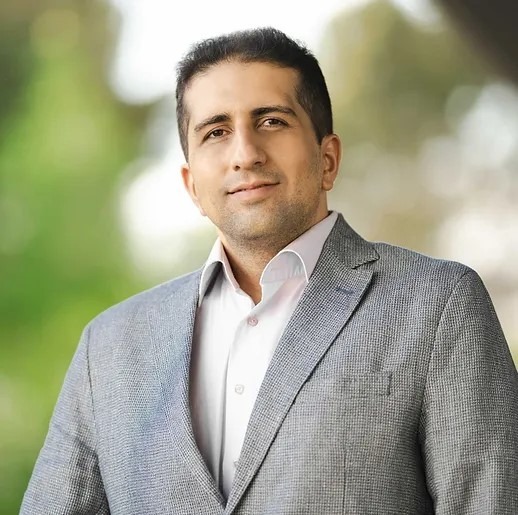 | Dr. Erfan GhofraniFinancial Economist, WFEErfan Ghofrani is a Financial Economist at the World Federation of Exchanges (WFE), where he conducts research on financial market structure, sustainability, and supply chain dynamics, with a focus on ESG shocks, emissions disclosure, market concentration, and IPO activity. He previously held a postdoctoral position at ESADE Business School and earned his PhD in Economics from Pompeu Fabra University, specializing in uncertainty shocks, Bayesian learning, and their impact on investment dynamics and monetary policy. Alongside his research, he has taught extensively at both undergraduate and graduate levels at ESADE, the Barcelona School of Economics, Pompeu Fabra University, and Sharif University of Technology. |
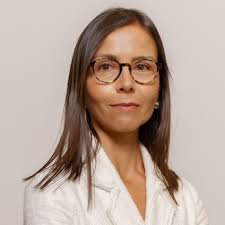 | Paula Redondo PereiraHead of Government Relations and Regulatory Strategy at Luxembourg Stock ExchangePaula Redondo Pereira is Head of Government Relations & Regulatory Strategy at the Luxembourg Stock Exchange (LuxSE), leading its engagement with regulators, policymakers, and international organisations to advance sustainable finance and capital markets development. Since joining LuxSE in 2017, she has overseen listing and regulatory activities and strengthened the exchange’s role in global policy discussions. She represents LuxSE and the Luxembourg Green Exchange (LGX) in forums such as FESE, WFE, and ICMA, and previously served on the European Commission’s Technical Expert Group on Sustainable Finance. Before LuxSE, she held senior roles at Portugal’s CMVM and Ministry of Foreign Affairs and practiced law at Uría Menéndez and Simpson Thacher & Bartlett. Paula holds degrees from Universidade Nova de Lisboa, Georgetown University, and Universidade Católica Portuguesa, and completed INSEAD’s executive programme. |
This course explores how environmental, social, and governance (ESG) factors influence financial markets. It examines how companies’ non-financial performance relates to financial outcomes and how ESG considerations are incorporated into investment strategies. The course also analyses the role of stock exchanges in shaping market behaviour through engagement, disclosure practices, and market design. Particular attention is given to climate-related risks and the role of exchanges in supporting the green transition through greater transparency and the development of sustainable finance instruments.
How ESG factors shape financial markets
Course Focus
- Present key stylised facts on climate change and its economic externalities
- How the private and public sectors can contribute to climate mitigation
- Impact of stronger ESG performance on market outcome
- Role of exchanges in driving issuer progress
Case Study
- Green exchange initiatives: core objectives, governance, and key instruments, with a focus on Luxembourg Stock Exchange (LuxSE)
- Issuance of green products: step-by-step walkthrough using LuxSE green finance practices
Learning Outcomes
By the end of the session, participants will be able to:
- Examine how ESG factors influence market participants, especially issuers and investors.
- Understand how climate adaptation and the green transition affect corporate financial performance and real outcomes.
- Analyze how climate risk is integrated into equity and fixed income investment strategies.
- Evaluate how investors can influence corporate climate adaptation, mitigation, and disclosure practices.
- Assess the impact of climate risk on asset pricing and portfolio allocation.
Speakers
| Dr. Erfan GhofraniFinancial Economist, WFEErfan Ghofrani is a Financial Economist at the World Federation of Exchanges (WFE), where he conducts research on financial market structure, sustainability, and supply chain dynamics, with a focus on ESG shocks, emissions disclosure, market concentration, and IPO activity. He previously held a postdoctoral position at ESADE Business School and earned his PhD in Economics from Pompeu Fabra University, specializing in uncertainty shocks, Bayesian learning, and their impact on investment dynamics and monetary policy. Alongside his research, he has taught extensively at both undergraduate and graduate levels at ESADE, the Barcelona School of Economics, Pompeu Fabra University, and Sharif University of Technology. |
| Paula Redondo PereiraHead of Government Relations and Regulatory Strategy at Luxembourg Stock ExchangePaula Redondo Pereira is Head of Government Relations & Regulatory Strategy at the Luxembourg Stock Exchange (LuxSE), leading its engagement with regulators, policymakers, and international organisations to advance sustainable finance and capital markets development. Since joining LuxSE in 2017, she has overseen listing and regulatory activities and strengthened the exchange’s role in global policy discussions. She represents LuxSE and the Luxembourg Green Exchange (LGX) in forums such as FESE, WFE, and ICMA, and previously served on the European Commission’s Technical Expert Group on Sustainable Finance. Before LuxSE, she held senior roles at Portugal’s CMVM and Ministry of Foreign Affairs and practiced law at Uría Menéndez and Simpson Thacher & Bartlett. Paula holds degrees from Universidade Nova de Lisboa, Georgetown University, and Universidade Católica Portuguesa, and completed INSEAD’s executive programme. |

Significance of IPOs: Facilitating capital access and broadening ownership.
IPO process: Preparation, valuation, and regulatory approvals.
Challenges: Limited institutional investor base, valuation complexities, and regulatory bottlenecks.
Understanding IPOs
Course Focus
Significance of IPOs: Facilitating capital access and broadening ownership.
IPO process: Preparation, valuation, and regulatory approvals.
Challenges: Limited institutional investor base, valuation complexities, and regulatory bottlenecks.
Case Study
Draft an IPO roadmap for a listed company.
Learning Outcomes
- Explain the IPO process and key challenges.
- Identify strategies for improving IPO success rates.
- Develop a roadmap for an IPO in an emerging market.
Speakers
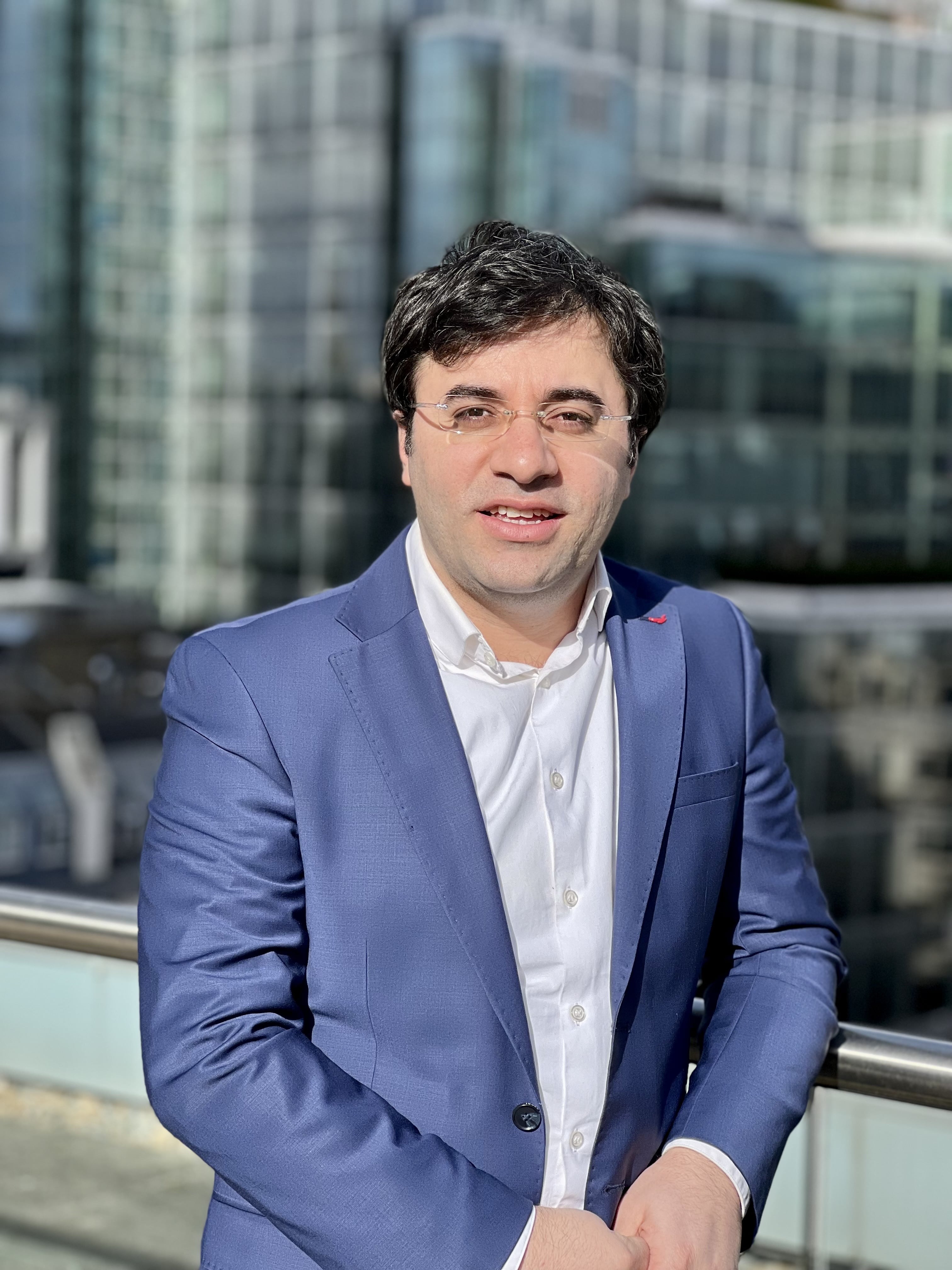 | Dr Ishak DemirEconomist, WFEBefore joining the World Federation of Exchanges (WFE). Ishak worked at Middlesex University, the International Monetary Fund (IMF), and the University of Lincoln. He holds a PhD in economics from Birkbeck, University of London. He has published in various international academic journals, including Journal of Money, Credit, and Banking, International Journal of Finance & Economics, Economic Modelling and IMF Regional Economic Outlook. His recent work includes research on monetary policy interaction with financial markets, IPO landscape and the role of exchanges in the economy. |
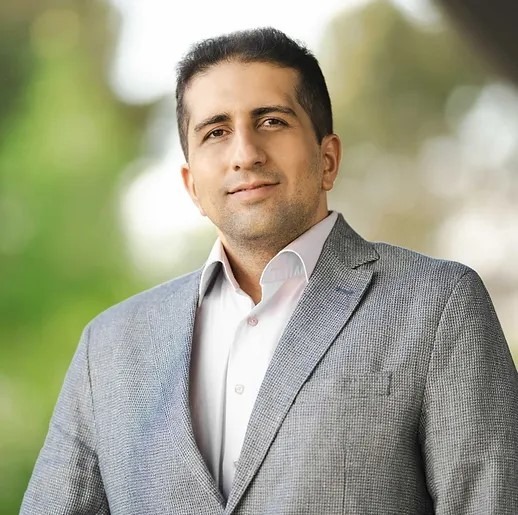 | Dr. Erfan GhofraniFinancial Economist, WFEErfan Ghofrani is a Financial Economist at the World Federation of Exchanges (WFE), where he conducts research on financial market structure, sustainability, and supply chain dynamics, with a focus on ESG shocks, emissions disclosure, market concentration, and IPO activity. He previously held a postdoctoral position at ESADE Business School and earned his PhD in Economics from Pompeu Fabra University, specializing in uncertainty shocks, Bayesian learning, and their impact on investment dynamics and monetary policy. Alongside his research, he has taught extensively at both undergraduate and graduate levels at ESADE, the Barcelona School of Economics, Pompeu Fabra University, and Sharif University of Technology. |
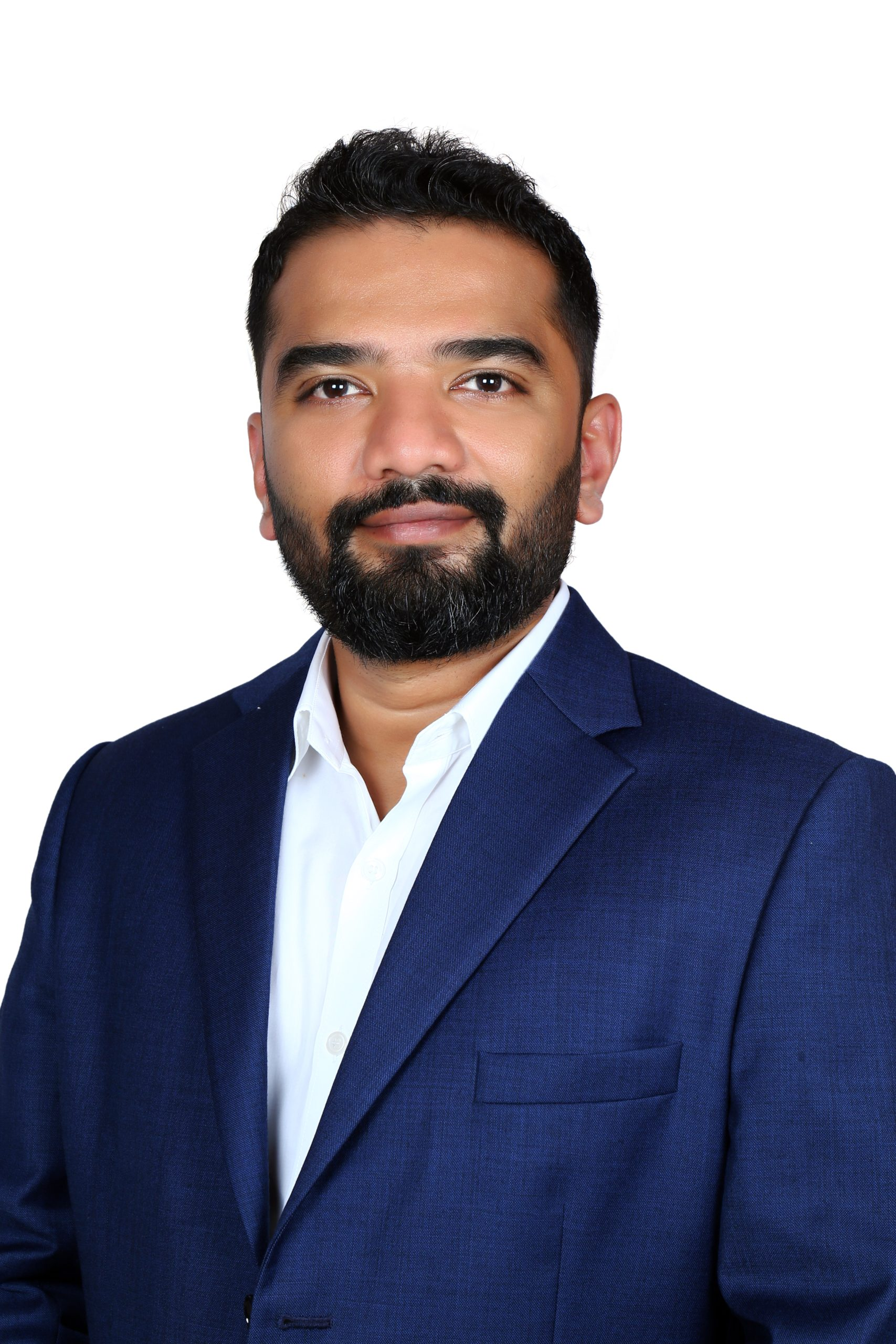 | Elwin JoseHead, Product Strategy and Services, NSEElwin Jose is responsible for managing Product Strategy and Services at NSE, India. In this role, he heads the product development strategy and the services verticals, for the suite of products available on NSE. He is a senior product and client solutions expert with significant experience in Capital markets, having worked in all areas related to the Equity and Derivatives markets, including Trading platforms, new product development, risk management and client clearing solutions. Prior to NSE, Elwin was the Head of Product for Futures and Options, India at Deutsche Bank, where he managed the Futures and Options business for Deutsche Bank in India. |
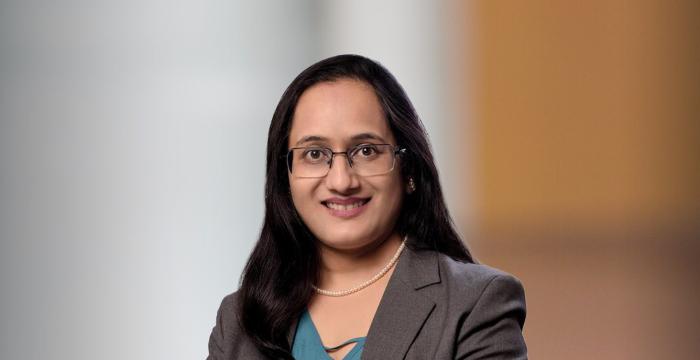 | Yukti SharmaVice President and Head of Listing, NSEYukti is a seasoned financial market professional with 20+ years of experience in the capital markets and banking sector. In her tenure of 16 years with NSE she has been in various regulatory functions such as Investigation, Inspection and Enforcement, Exchange Compliance, Member Compliance and Listing. She has been a part of various working groups and committees that have submitted reports contributing to policy formation such as enhanced supervision of brokers, risk-based supervision, review of regulations governing listed corporates etc. Yukti holds a Chartered Accountancy qualification, a DISA certification from ICAI and a Bachelor of Commerce degree. In 2015, as a budding leader she was identified as high potential candidate under the Hogan assessment undertaken across the organisation. Her leadership skills were recognised as a winner of top 10% of the Jombay 1000 women leader program, 2023. . |
Significance of IPOs: Facilitating capital access and broadening ownership.
IPO process: Preparation, valuation, and regulatory approvals.
Challenges: Limited institutional investor base, valuation complexities, and regulatory bottlenecks.
Understanding IPOs
Course Focus
Significance of IPOs: Facilitating capital access and broadening ownership.
IPO process: Preparation, valuation, and regulatory approvals.
Challenges: Limited institutional investor base, valuation complexities, and regulatory bottlenecks.
Case Study
Draft an IPO roadmap for a listed company.
Learning Outcomes
- Explain the IPO process and key challenges.
- Identify strategies for improving IPO success rates.
- Develop a roadmap for an IPO in an emerging market.
Speakers
| Dr Ishak DemirEconomist, WFEBefore joining the World Federation of Exchanges (WFE). Ishak worked at Middlesex University, the International Monetary Fund (IMF), and the University of Lincoln. He holds a PhD in economics from Birkbeck, University of London. He has published in various international academic journals, including Journal of Money, Credit, and Banking, International Journal of Finance & Economics, Economic Modelling and IMF Regional Economic Outlook. His recent work includes research on monetary policy interaction with financial markets, IPO landscape and the role of exchanges in the economy. |
| Dr. Erfan GhofraniFinancial Economist, WFEErfan Ghofrani is a Financial Economist at the World Federation of Exchanges (WFE), where he conducts research on financial market structure, sustainability, and supply chain dynamics, with a focus on ESG shocks, emissions disclosure, market concentration, and IPO activity. He previously held a postdoctoral position at ESADE Business School and earned his PhD in Economics from Pompeu Fabra University, specializing in uncertainty shocks, Bayesian learning, and their impact on investment dynamics and monetary policy. Alongside his research, he has taught extensively at both undergraduate and graduate levels at ESADE, the Barcelona School of Economics, Pompeu Fabra University, and Sharif University of Technology. |
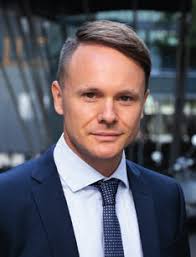 | Fabian GerberHead Origination, Primary Markets, SIX Swiss Exchange AGFabian Gerber is the Head Origination, Primary Markets Primary Markets at the SIX Swiss Exchange, where he leads the team responsible for attracting new listings and supporting companies through the Initial Public Offering (IPO) process. |

This session introduces the exchange ecosystem, highlighting how exchanges interact with regulators, clearinghouses (CCPs), central securities depositories (CSDs), and other core institutions to enable fair and efficient trading. It then examines the role of market makers in supporting liquidity, outlining their responsibilities, incentives, and challenges. Finally, it reviews major investor types and their behaviours, using recent research to show how these insights can help improve market design, investor engagement, and policy making.
Exchange ecosystem & market participants
Course Overview
This session begins by framing the exchange as the central node of the trading ecosystem. We highlight the roles of regulators as rule-makers and enforcers, exchanges as trading venues, clearinghouses (CCPs) as guarantors of settlement, and central securities depositories (CSDs) as custodians of securities and facilitators of ownership transfer, to help participants from varied backgrounds understand how these elements interact, particularly in EMDEs with evolving infrastructure and regulatory frameworks.
We then examine the role of market makers in an exchange, first explaining their main functions in providing liquidity and supporting trading. Next, we outline the key parts of how market makers operate, including their quoting responsibilities, incentives, and rules they follow. Finally, we discuss the risks and challenges market makers face in carrying out their role.
Next, we review major investor categories (retail, institutional, hedge funds, ETFs, foreign investors, and private equity, etc) by presenting core behavioural patterns and trends based on recent WFE research and complementary academic studies. We cover how these findings inform high-level engagement and resilience strategies for exchanges, translating research insights into considerations for market design, investor outreach, and policy guidance.
Case Study
Review of WFE research papers on retail investors and institutional investors
Learning Objectives
By the end of the session, participants will be able to:
- Identify key stakeholders in EMDE market ecosystems—regulators, exchanges, clearinghouses, central securities depositories, intermediaries (brokers, market makers), issuers, and investors—and describe their interconnections.
- Explain market makers’ role in providing liquidity for thin or nascent segments.
- Characterize major investor types (retail, institutional, hedge funds, ETFs, private equity) and summarize core behavioural patterns.
- Apply findings from WFE research and academic literature to critically assess investor behaviour and derive implications for engagement strategies and market resilience in EMDE contexts.
Course Focus
- Overview of exchange ecosystem: stakeholders and interconnections.
- Market makers and their roles in market liquidity
- Investor types and behaviours: retail vs. institutional.
- WFE research insights: main findings on retail and institutional trends, and drivers
Required Reading
- Selected readings on exchange stakeholders and investors
- Case materials for the exchange investors (to be shared via the course platform)
- Selected articles and case materials provided before the webinar
Speakers
 | Dr. Ying LiuFinancial Economist, WFEBefore joining the WFE, Ying served as an Assistant Professor at the Shanghai University of Finance and Economics. She holds a PhD in Finance from the University of Lausanne and the Swiss Finance Institute. Her research focuses on carbon markets, sustainable finance, and market microstructure. |
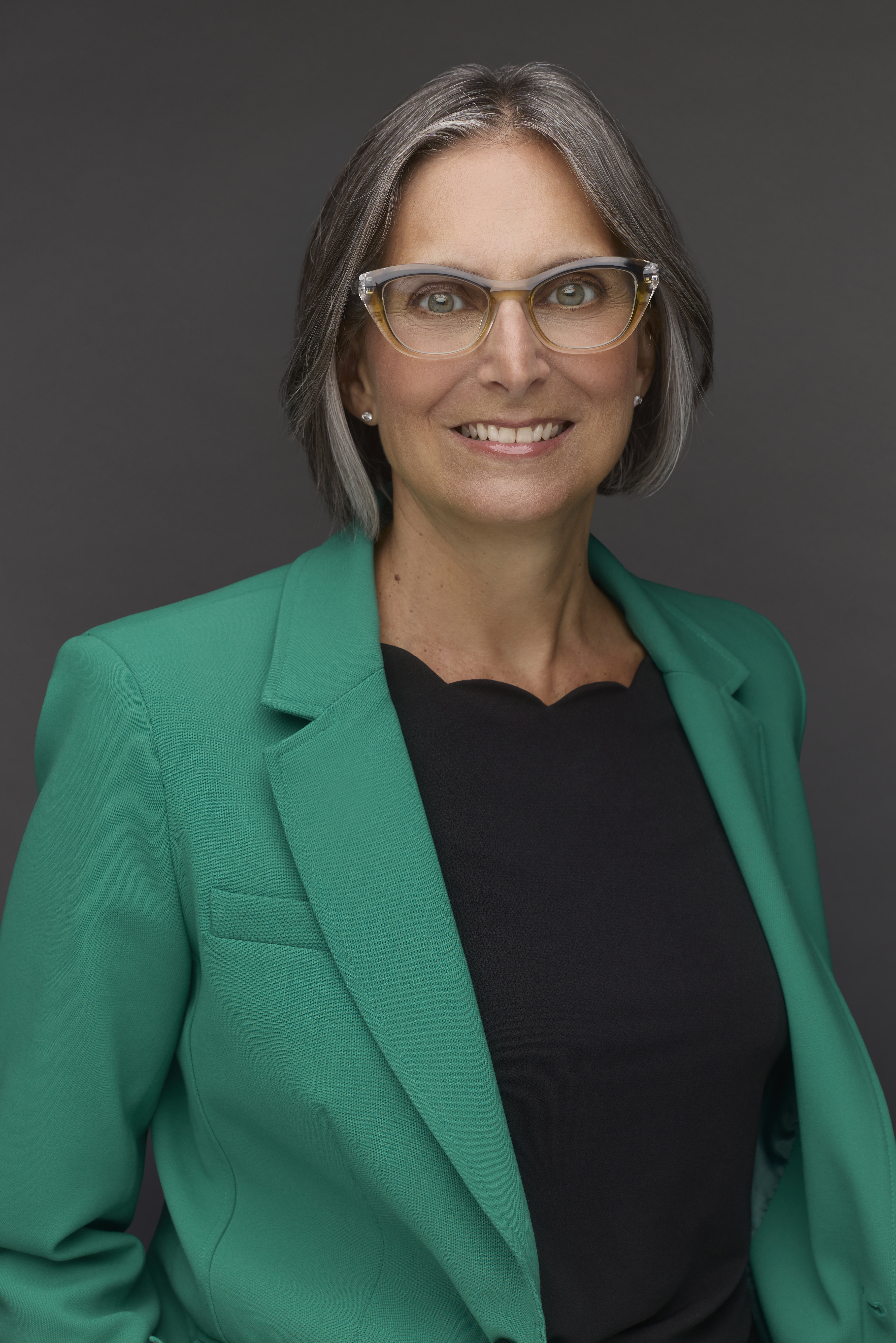 | Tracey SternChief Legal Officer, General Counsel & Corporate Secretary, The Canadian Securities Exchange (CSE)Tracey and her team are responsible for risk, legal and compliance matters relating to the exchange and its operations. She joined CSE after more than two decades at the Ontario Securities Commission where she led the team responsible for market structure policy and the regulation of exchanges and alternative trading systems. She has deep expertise regarding the Canadian and global market structure and regulatory environment, as a regulatory participant in most of the key market structure initiatives over the past 20 years and as Chair of IOSCO Committee 2 on the Regulation of Secondary Markets, a committee of global market structure experts. She is a member of the Market Structure Advisory Committee of the Ontario Securities Commission and the Master of Financial Innovation & Technology Advisory Board at Smith School of Business at Queen’s University. She co-authored of A Framework for Responsive Market Regulation, published in 2019 by the University of Oxford Press. She is also the Chair of the Term CORRA Oversight Committee. She received her B.A in Economics from Western University and her J.D. from Osgoode Hall Law School. |
This session introduces the exchange ecosystem, highlighting how exchanges interact with regulators, clearinghouses (CCPs), central securities depositories (CSDs), and other core institutions to enable fair and efficient trading. It then examines the role of market makers in supporting liquidity, outlining their responsibilities, incentives, and challenges. Finally, it reviews major investor types and their behaviours, using recent research to show how these insights can help improve market design, investor engagement, and policy making.
Exchange ecosystem & market participants
Course Overview
This session begins by framing the exchange as the central node of the trading ecosystem. We highlight the roles of regulators as rule-makers and enforcers, exchanges as trading venues, clearinghouses (CCPs) as guarantors of settlement, and central securities depositories (CSDs) as custodians of securities and facilitators of ownership transfer, to help participants from varied backgrounds understand how these elements interact, particularly in EMDEs with evolving infrastructure and regulatory frameworks.
We then examine the role of market makers in an exchange, first explaining their main functions in providing liquidity and supporting trading. Next, we outline the key parts of how market makers operate, including their quoting responsibilities, incentives, and rules they follow. Finally, we discuss the risks and challenges market makers face in carrying out their role.
Next, we review major investor categories (retail, institutional, hedge funds, ETFs, foreign investors, and private equity, etc) by presenting core behavioural patterns and trends based on recent WFE research and complementary academic studies. We cover how these findings inform high-level engagement and resilience strategies for exchanges, translating research insights into considerations for market design, investor outreach, and policy guidance.
Case Study
Review of WFE research papers on retail investors and institutional investors
Learning Objectives
By the end of the session, participants will be able to:
- Identify key stakeholders in EMDE market ecosystems—regulators, exchanges, clearinghouses, central securities depositories, intermediaries (brokers, market makers), issuers, and investors—and describe their interconnections.
- Explain market makers’ role in providing liquidity for thin or nascent segments.
- Characterize major investor types (retail, institutional, hedge funds, ETFs, private equity) and summarize core behavioural patterns.
- Apply findings from WFE research and academic literature to critically assess investor behaviour and derive implications for engagement strategies and market resilience in EMDE contexts.
Course Focus
- Overview of exchange ecosystem: stakeholders and interconnections.
- Market makers and their roles in market liquidity
- Investor types and behaviours: retail vs. institutional.
- WFE research insights: main findings on retail and institutional trends, and drivers
Required Reading
- Selected readings on exchange stakeholders and investors
- Case materials for the exchange investors (to be shared via the course platform)
- Selected articles and case materials provided before the webinar
Speakers
a
| Dr. Ying LiuFinancial Economist, WFEBefore joining the WFE, Ying served as an Assistant Professor at the Shanghai University of Finance and Economics. She holds a PhD in Finance from the University of Lausanne and the Swiss Finance Institute. Her research focuses on carbon markets, sustainable finance, and market microstructure. |
| Tracey SternChief Legal Officer, General Counsel & Corporate Secretary, The Canadian Securities Exchange (CSE)Tracey and her team are responsible for risk, legal and compliance matters relating to the exchange and its operations. She joined CSE after more than two decades at the Ontario Securities Commission where she led the team responsible for market structure policy and the regulation of exchanges and alternative trading systems. She has deep expertise regarding the Canadian and global market structure and regulatory environment, as a regulatory participant in most of the key market structure initiatives over the past 20 years and as Chair of IOSCO Committee 2 on the Regulation of Secondary Markets, a committee of global market structure experts. She is a member of the Market Structure Advisory Committee of the Ontario Securities Commission and the Master of Financial Innovation & Technology Advisory Board at Smith School of Business at Queen’s University. She co-authored of A Framework for Responsive Market Regulation, published in 2019 by the University of Oxford Press. She is also the Chair of the Term CORRA Oversight Committee. She received her B.A in Economics from Western University and her J.D. from Osgoode Hall Law School. |
b

This course examines how financial markets influence economic development in EMDEs. It will focus on transmission channels and macroeconomic policy, including empirical case studies.
Financial markets and economic interactions
Overview
This session explores the dynamic interplay between financial markets and the broader economy. Participants will examine how market signals transmit through macroeconomic channels, what push and pull factors shape financial flows, and the characteristics of an enabling macroeconomic environment for market growth. Drawing on real-world cases such as the Global Financial Crisis (2008), Turkey’s FX borrowing episode (2017–2021), and the COVID-19 market shock (2020), the session will connect theory to practice and highlight the dual role of market-based finance in supporting growth and amplifying risk. Through guided analysis and discussion, participants will gain practical insights into how financial markets influence macroeconomic outcomes and how policy measures can foster robust, stable, and inclusive market development.
Course Focus
- Transmission channels between financial markets and the broader economy and macroeconomic policy.
- Push and pull factors influencing market dynamics in EMDEs
- Characteristics of an ideal macroeconomic environment for market growth.
Learning Outcomes
By the end of the session, participants will be able to:
- Explain how financial markets influence economic development.
- Assess key factors that impact market growth in EMDEs.
- Identify policy measures that support financial market development.
Speakers
 | Dr Ishak DemirEconomist, WFEBefore joining the World Federation of Exchanges (WFE). Ishak worked at Middlesex University, the International Monetary Fund (IMF), and the University of Lincoln. He holds a PhD in economics from Birkbeck, University of London. He has published in various international academic journals, including Journal of Money, Credit, and Banking, International Journal of Finance & Economics, Economic Modelling and IMF Regional Economic Outlook. His recent work includes research on monetary policy interaction with financial markets, IPO landscape and the role of exchanges in the economy. |
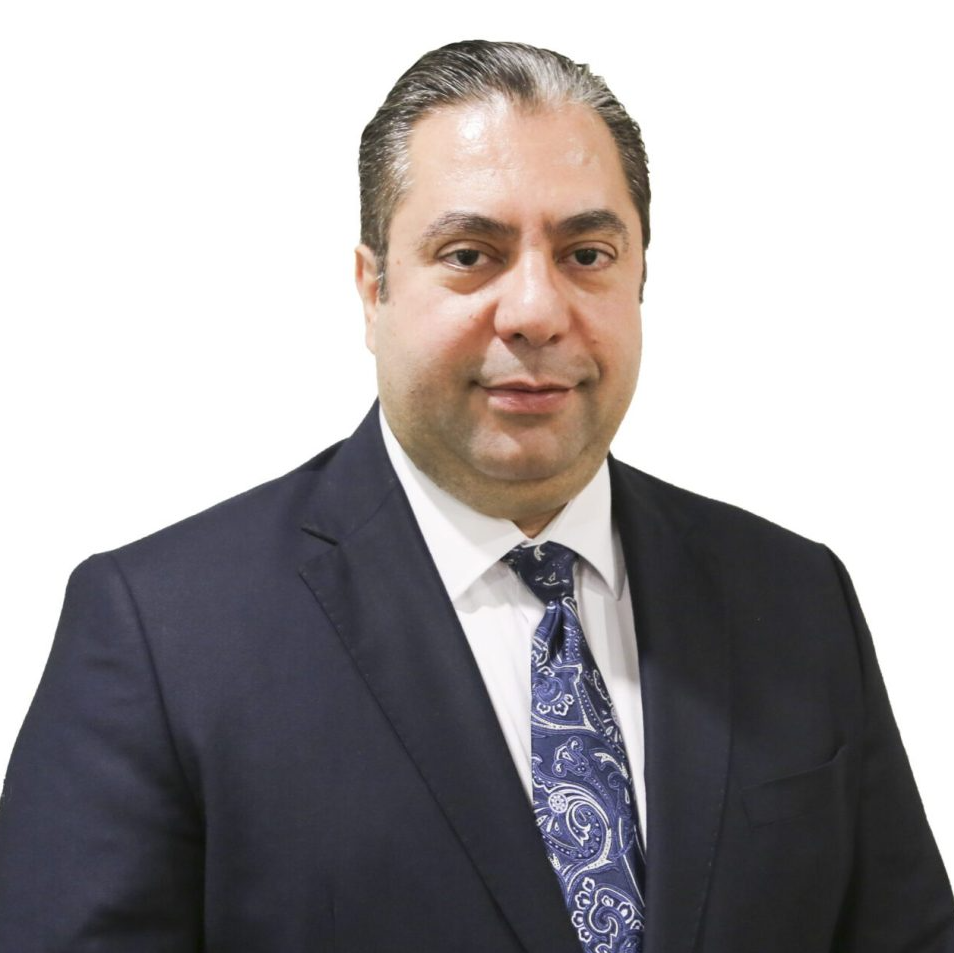 | Dr Guzhan GulayExecutive Vice President, Borsa IstanbulAfter graduating from the Faculty of Business Administration of Istanbul University in 1993, Güzhan Gülay completed Ziraat Bank Banking School and worked as a specialist in the Capital Markets Directorate of the same bank. He joined Borsa İstanbul family as an assistant specialist in the Equity Markets Directorate in 1995, became a specialist in 1998 and a manager in 2014 in the same department. He was appointed as the Business Development Director in 2018 and as the Precious Metals and Precious Stones Director in 2019. He has acted in many projects by taking fundamental positions in designing, configuration, testing, legislation and development for the improvement of the markets and infrastructure of Borsa Istanbul. After his master’s and doctorate education, he acted as a visiting lecturer for a year at the City University of London Cass Business School and taught part-time at various universities. |
 | Eric NorlandExecutive Director & Chief Economist, CME GroupErik Norland is Chief Economist and Executive Director of CME Group. He is responsible for generating economic analysis on global financial markets by identifying emerging trends, evaluating economic factors and forecasting their potential impact on CME Group's various asset classes, ranging from interest rate products to energy and agriculture. He is also one of CME Group’s spokespeople on global economic, financial and geopolitical developments. Erik has been working in the financial services industry since 1996. Prior to joining CME Group in 2015, he worked for investment banks and hedge funds both in the United States and France, with coverage including the field of quantitative research. He was in sales roles at BEAM Bayesian Efficient Asset Management LLC, and was Head of Research at EQA Partners, both of which are global macro hedge funds. He also worked with IXIS Corporate & Investment Bank in Paris (now called Natixis), covering central banks and supranational institutions for the fixed income sales business, and also worked as a market economist and strategist. Erik began his career at Bankers Trust, Global Investment Management in New York with the tactical asset allocation group. Erik holds a bachelor’s degree in Economics and Political Science from St. Mary’s College of Maryland and an M.A. in Statistics with a concentration in finance from Columbia University. He is also a CFA Charterholder. |
This course examines how financial markets influence economic development in EMDEs. It will focus on transmission channels and macroeconomic policy, including empirical case studies.
Financial markets and economic interactions
Overview
This session explores the dynamic interplay between financial markets and the broader economy. Participants will examine how market signals transmit through macroeconomic channels, what push and pull factors shape financial flows, and the characteristics of an enabling macroeconomic environment for market growth. Drawing on real-world cases such as the Global Financial Crisis (2008), Turkey’s FX borrowing episode (2017–2021), and the COVID-19 market shock (2020), the session will connect theory to practice and highlight the dual role of market-based finance in supporting growth and amplifying risk. Through guided analysis and discussion, participants will gain practical insights into how financial markets influence macroeconomic outcomes and how policy measures can foster robust, stable, and inclusive market development.
Course Focus
- Transmission channels between financial markets and the broader economy and macroeconomic policy.
- Push and pull factors influencing market dynamics in EMDEs
- Characteristics of an ideal macroeconomic environment for market growth.
Learning Outcomes
By the end of the session, participants will be able to:
- Explain how financial markets influence economic development.
- Assess key factors that impact market growth in EMDEs.
- Identify policy measures that support financial market development.
Speakers
| Dr Ishak DemirEconomist, WFEBefore joining the World Federation of Exchanges (WFE). Ishak worked at Middlesex University, the International Monetary Fund (IMF), and the University of Lincoln. He holds a PhD in economics from Birkbeck, University of London. He has published in various international academic journals, including Journal of Money, Credit, and Banking, International Journal of Finance & Economics, Economic Modelling and IMF Regional Economic Outlook. His recent work includes research on monetary policy interaction with financial markets, IPO landscape and the role of exchanges in the economy. |
| Dr Guzhan GulayExecutive Vice President, Borsa IstanbulAfter graduating from the Faculty of Business Administration of Istanbul University in 1993, Güzhan Gülay completed Ziraat Bank Banking School and worked as a specialist in the Capital Markets Directorate of the same bank. He joined Borsa İstanbul family as an assistant specialist in the Equity Markets Directorate in 1995, became a specialist in 1998 and a manager in 2014 in the same department. He was appointed as the Business Development Director in 2018 and as the Precious Metals and Precious Stones Director in 2019. He has acted in many projects by taking fundamental positions in designing, configuration, testing, legislation and development for the improvement of the markets and infrastructure of Borsa Istanbul. After his master’s and doctorate education, he acted as a visiting lecturer for a year at the City University of London Cass Business School and taught part-time at various universities. |
| Eric NorlandExecutive Director & Chief Economist, CME GroupErik Norland is Chief Economist and Executive Director of CME Group. He is responsible for generating economic analysis on global financial markets by identifying emerging trends, evaluating economic factors and forecasting their potential impact on CME Group's various asset classes, ranging from interest rate products to energy and agriculture. He is also one of CME Group’s spokespeople on global economic, financial and geopolitical developments. Erik has been working in the financial services industry since 1996. Prior to joining CME Group in 2015, he worked for investment banks and hedge funds both in the United States and France, with coverage including the field of quantitative research. He was in sales roles at BEAM Bayesian Efficient Asset Management LLC, and was Head of Research at EQA Partners, both of which are global macro hedge funds. He also worked with IXIS Corporate & Investment Bank in Paris (now called Natixis), covering central banks and supranational institutions for the fixed income sales business, and also worked as a market economist and strategist. Erik began his career at Bankers Trust, Global Investment Management in New York with the tactical asset allocation group. Erik holds a bachelor’s degree in Economics and Political Science from St. Mary’s College of Maryland and an M.A. in Statistics with a concentration in finance from Columbia University. He is also a CFA Charterholder. |

This session explores the core mechanisms of trading in financial markets, focusing on how these systems function and adapt in the context of Emerging Markets and Developing Economies (EMDEs). Participants will examine the structural and technological underpinnings of trading systems—such as continuous trading and auction-based models—and their implications for market liquidity, efficiency, and inclusivity.
Through comparative analysis and a dedicated case study, the session unpacks how different trading infrastructures align with unique challenges and opportunities in EMDEs.
How Trading Works
Key Topics
- Fundamentals of trading infrastructure
- Continuous trading vs. auction-based systems: design, function, and market impact
- Challenges and opportunities for EMDEs in adopting different trading models
Learning Objectives
By the end of the session, participants will be able to
- Distinguish between key trading mechanisms, including continuous trading and auction systems
- Assess the benefits and limitations of each mechanism in the context of EMDEs.
- Evaluate which trading mechanisms best fit the developmental goals and constraints of diverse market contexts.
Required Reading
- WFE Primer on Trading Mechanisms (to be provided before the session)
- Selected readings on trading system design and technology adoption in EMDEs
- Selected articles and case materials provided before the webinar
Additional Resources
- World Federation of Exchanges (www.world-exchanges.org) - Academic papers and policy briefs shared via course platform
Participation
Participants are encouraged to actively engage during the panel discussion and bring questions or insights from their own markets.
Speakers
 | Dr. Kaitao LinSenior Financial Economist, The World Federation of ExchangesKaitao joined the World Federation of Exchanges in May 2020 and currently holds the position of senior financial economist in the Research Team. Kaitao holds a Ph.D. in Finance from the University of Houston and is a Chartered Financial Ana-lyst® (CFA®) charterholder. His research focuses on market microstructure issues, such as trading rules, their effects on market participants, and market quality. His current work includes ESG and crypto assets. Kaitao’s papers have been accepted for publication in well-regarded academic journals, such as the Quarterly Journal of Finance, and presented in various international conferences, including the U.S. SEC Ph.D. Symposium, the China International Conference in Finance, and the Financial Management Association Annual Meeting. |
 | Sally KwokCo-Head of Trading and Managing Director, HKEXSally currently leads the Cash Trading and Client Services teams, overseeing Hong Kong cash market trading and the development of the groundbreaking Stock Connect Program. Her responsibilities include reviewing the cash market structure, rules, and policies, as well as the ongoing enhancement and expansion of the Stock Connect Program. For almost two decades, under Sally’s leadership, HKEX has launched new cash trading platforms for both the Hong Kong market and Stock Connect. She has also delivered numerous market structure enhancements, such as opening and closing auctions, volatility control mechanisms, market access schemes, and the introduction of new cash-settled product types, benefiting various market participants and investors. Before joining HKEX, Sally was a change specialist in Cash Equities at UBS Investment Bank. Prior to that, she was a management consultant serving global clients for many years. Sally graduated from the University of Oxford with a first-class Master’s degree in Engineering and Computer Science. |
This session explores the core mechanisms of trading in financial markets, focusing on how these systems function and adapt in the context of Emerging Markets and Developing Economies (EMDEs). Participants will examine the structural and technological underpinnings of trading systems—such as continuous trading and auction-based models—and their implications for market liquidity, efficiency, and inclusivity.
Through comparative analysis and a dedicated case study, the session unpacks how different trading infrastructures align with unique challenges and opportunities in EMDEs.
How Trading Works
Key Topics
- Fundamentals of trading infrastructure
- Continuous trading vs. auction-based systems: design, function, and market impact
- Challenges and opportunities for EMDEs in adopting different trading models
Learning Objectives
By the end of the session, participants will be able to
- Distinguish between key trading mechanisms, including continuous trading and auction systems
- Assess the benefits and limitations of each mechanism in the context of EMDEs.
- Evaluate which trading mechanisms best fit the developmental goals and constraints of diverse market contexts.
Required Reading
- WFE Primer on Trading Mechanisms (to be provided before the session)
- Selected readings on trading system design and technology adoption in EMDEs
- Selected articles and case materials provided before the webinar
Additional Resources
- World Federation of Exchanges (www.world-exchanges.org) - Academic papers and policy briefs shared via course platform
Participation
Participants are encouraged to actively engage during the panel discussion and bring questions or insights from their own markets.
Speakers
 | Dr. Kaitao LinSenior Financial Economist, The World Federation of ExchangesKaitao joined the World Federation of Exchanges in May 2020 and currently holds the position of senior financial economist in the Research Team. Kaitao holds a Ph.D. in Finance from the University of Houston and is a Chartered Financial Ana-lyst® (CFA®) charterholder. His research focuses on market microstructure issues, such as trading rules, their effects on market participants, and market quality. His current work includes ESG and crypto assets. Kaitao’s papers have been accepted for publication in well-regarded academic journals, such as the Quarterly Journal of Finance, and presented in various international conferences, including the U.S. SEC Ph.D. Symposium, the China International Conference in Finance, and the Financial Management Association Annual Meeting. |
 | Bill SpethAdvisor to the CEO & Senior Advisor, WFE Membership, WFEBill has over 35 years options and futures markets experience. Prior to joining WFE, Bill was Senior Vice President, Global Head of Research for Cboe Holdings, Inc., and was responsible for product development (primarily focusing on volatility and VIX innovations). He also worked on policy issues related to liquidity, capital and tax treatment for options, as well as the use of options and futures in investment funds. He founded Cboe’s index business, and pioneered options-based strategy benchmark indexes. Prior to joining Cboe, Bill was an independent options market maker, trading both index options and commodity options. Bill holds a Bachelor’s degree in Physics from LeMoyne College and Masters in Science in Electrical Engineering from the University of Rochester. |

This session examines the structure and dynamics of the exchange and post-trade industry through the lenses of industrial organization and strategic planning, with a particular emphasis on emerging markets. Participants will explore the capital-market value chain, evaluate key performance metrics, and analyse how network externalities and multi-sided market dynamics shape industry behaviour. The session will also address the strategic options available to market infrastructures in emerging economies, supported by two case studies—regional exchange integration and the creation of cross-border settlement links—discussed with our guest speakers.
Exchanges and post-trade infrastructures: value chain and development strategies
Key focus areas
- The role of the exchange industry in economic development and financial stability
- Value chain analysis of market infrastructures and performance measurement
- The MI landscape in emerging economies
- Network effects and the implications of multi-sided market structures
- Strategies for market development
Case studies
- Cross-border settlement links: The link between Latinex (Panama) and Euroclear
- Regional integration: The creation of nuam Exchange (Chile–Colombia–Peru)
Learning outcomes
By the end of the session, participants will be able to:
- Explain the main components of the exchange and post-trade value chain and their relevance in emerging markets.
- Assess how network externalities and multi-sided market dynamics shape the competitive landscape of exchanges and post-trade institutions.
- Evaluate performance metrics to benchmark the development of MIs
- Analyse strategic options for market infrastructures, including regional integration, product diversification, and cross-border settlement linkages.
- Apply insights from real-world case studies to propose actionable strategies for improving resilience and competitiveness in emerging MIs.
Speakers
 | Manuel BatistaVP Finance & Strategic Innovation, LatinexManuel holds a Bachelor of Science in Finance from the University of Louisville, USA, with seven years of experience in capital markets. Serves as Vice President of Finance and Strategic Innovation at Latinex, which operates the national Exchange and Central Securities Depository, overseeing the Group’s financial management and product development initiative |
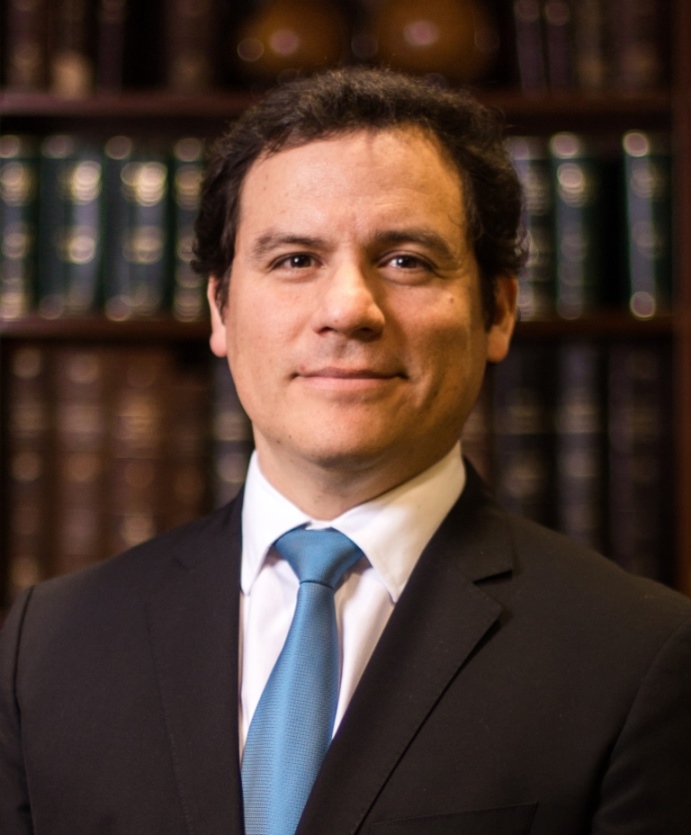 | Miguel Angel ZapateroHead of Clients, nuamMiguel A. Zapatero is the Head of Clients at nuam, a regional leader in capital market infrastructure services in Chile, Peru and Colombia. Mr Zapatero also serves as CEO at the Lima Stock Exchange Group in Peru. He is also board member at currency and rates OTC market Datatec and other entities in Peru. Previously, he worked at BlackRock and Barclays Global Investors in Chile and USA, management and financial consulting firm Apoyo Consultoria and the Central Reserve Bank of Peru. |
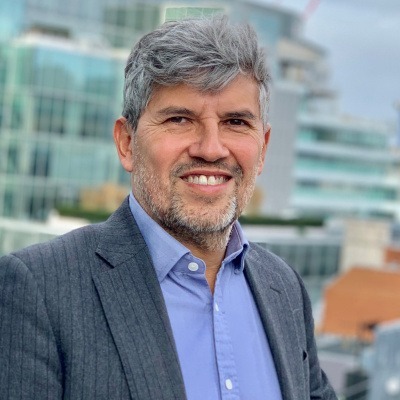 | Pedro Gurrola-PerezHead of Research, WFEPedro joined the World Federation of Exchanges in October 2019 from the Bank of England, where he led the Financial Market Infrastructures Directorate’s Research Team. He had joined the Bank of England in 2013, after two years at the UK Financial Services Authority. Previously, Pedro spent more than 15 years as a lecturer and researcher at various academic institutions, including the University of Barcelona and the Instituto Tecnológico Autónomo de México (ITAM). Pedro holds a PhD in Mathematics from the University of Montpellier, France, and has published across key academic journals, including the Journal of Financial Market Infrastructures, the Journal of Risk, International Finance and the Journal of Futures Markets. His recent work includes research on the economics of distributed ledger technologies (DLT), on the network structure of settlement fails, and on the procyclicality of CCP margin models. He has also published research on payment systems, on back-testing methodologies, and on the structure of interest rate futures markets. In 2007 he received the National Award on Derivatives Research, awarded by the Mexican Derivatives Exchange (MexDer). He currently serves as a member of the Board of Advisors of the Robert A. Schwartz Center for Trading and Financial Markets Research at Baruch College. |
This session examines the structure and dynamics of the exchange and post-trade industry through the lenses of industrial organization and strategic planning, with a particular emphasis on emerging markets. Participants will explore the capital-market value chain, evaluate key performance metrics, and analyse how network externalities and multi-sided market dynamics shape industry behaviour. The session will also address the strategic options available to market infrastructures in emerging economies, supported by two case studies—regional exchange integration and the creation of cross-border settlement links—discussed with our guest speakers.
Exchanges and post-trade infrastructures: value chain and development strategies
Key focus areas
- The role of the exchange industry in economic development and financial stability
- Value chain analysis of market infrastructures and performance measurement
- The MI landscape in emerging economies
- Network effects and the implications of multi-sided market structures
- Strategies for market development
Case studies
- Cross-border settlement links: The link between Latinex (Panama) and Euroclear
- Regional integration: The creation of nuam Exchange (Chile–Colombia–Peru)
Learning outcomes
By the end of the session, participants will be able to:
- Explain the main components of the exchange and post-trade value chain and their relevance in emerging markets.
- Assess how network externalities and multi-sided market dynamics shape the competitive landscape of exchanges and post-trade institutions.
- Evaluate performance metrics to benchmark the development of MIs
- Analyse strategic options for market infrastructures, including regional integration, product diversification, and cross-border settlement linkages.
- Apply insights from real-world case studies to propose actionable strategies for improving resilience and competitiveness in emerging MIs
Speakers
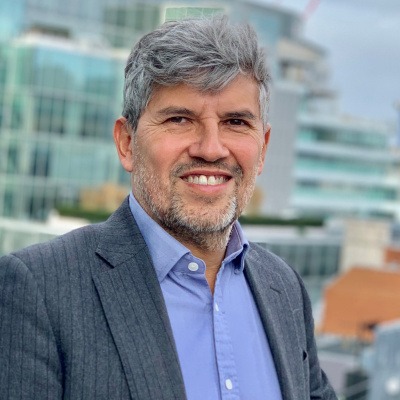 | Pedro Gurrola-PerezHead of Research, WFEPedro joined the World Federation of Exchanges in October 2019 from the Bank of England, where he led the Financial Market Infrastructures Directorate’s Research Team. He had joined the Bank of England in 2013, after two years at the UK Financial Services Authority. Previously, Pedro spent worked as a lecturer and researcher at various academic institutions, including the University of Barcelona and the Instituto Tecnológico Autónomo de México (ITAM). Pedro holds a PhD in Mathematics from the University of Montpellier, France, and has published across key academic journals. His recent work includes research on the economics of distributed ledger technologies (DLT), on the network structure of settlement fails, and on the procyclicality of CCP margin models. He currently serves as a member the Board of Advisors of the Robert A. Schwartz Center for Trading and Financial Markets Research at Baruch College. |
| Manuel BatistaVP Finance and Strategic Innovation, LatinexManuel holds a Bachelor of Science in Finance from the University of Louisville, USA, with seven years of experience in capital markets. Serves as Vice President of Finance and Strategic Innovation at Latinex, which operates the national Exchange and Central Securities Depository, overseeing the Group’s financial management and product development initiative. |
 | Fernanda Hermosilla B.Business Director, nuamBased in Chile, Fernanda Hermosilla has worked over 10 years in the Business and Client area from Santiago Exchange. Started at 2011 as Relationship Manager, currently Business Director of nuam exchange. She leads the relationship and business with local clients and, since nuam, with international clients as well. Ms. Hermosilla holds the title of Tourism Business Administration in Universidad Austral de Chile and an MBA of International Management in Berlin School of Economics and Law. Previously, she worked at Santiago Marriott Hotel as Account Manager, developing proactive sales and representing the brand in many countries. |
How do I register for a webinar?
To register, please complete the Application Form available when clicking "Apply" in the ''Upcoming Workshops'' section. Applications are processed on a first-come, first-served basis until all places are filled.
How can I obtain a complimentary pass?
WFE members receive 2 complimentary passes for each webinar. To receive these passes, the exchange's WFE representative should send an email to education@world-exchanges, specifying the names of the nominated candidates, their email addresses, and the webinars they are requesting the pass for. Candidates nominated for a free pass should still fill the Application Form.
How do I make a payment?
After submitting the Application Form, you will receive a confirmation email with a secure payment link and login details for the learning platform, where you can choose your webinars and complete payment.
Who should I contact if I have questions?
If you have any questions related to the programme administration or course content, please send them to: [email protected]
What level of English is required?
The programme is delivered in English. A good understanding of both written and spoken English is essential. Technical terminology will be used; please refer to the course page for more detail on the topics covered.
How do I access my learning materials and webinar links?
The WFE uses Moodle as its Virtual Learning Environment. Once you log in, you will have access to:
- Webinar materials and supplementary documents.
- Live webinar links.
Participants are expected to check both their Moodle accounts and their registered email addresses regularly, as all important updates and announcements will be shared via these channels.
Is there a detailed manual for the enrolment process?
Yes, please find it here: Enrolment instructions .pdf
The allocation of two complimentary passes is applicable per webinar in the series, or does it apply to the programme as a whole?
For each WFE member, the two complimentary passes are allocated per webinar, but members are welcome to apply for more than one webinar.
In the case of complimentary passes, can the nominated colleagues vary for each webinar?
Yes, when using their complimentary passes, WFE members can nominate different participants for different webinars.